A gougère is a baked savory choux pastry made of choux dough mixed with cheese, usually gruyère or comté but you can use emmenthal or any hard cheese really – even cheddar!
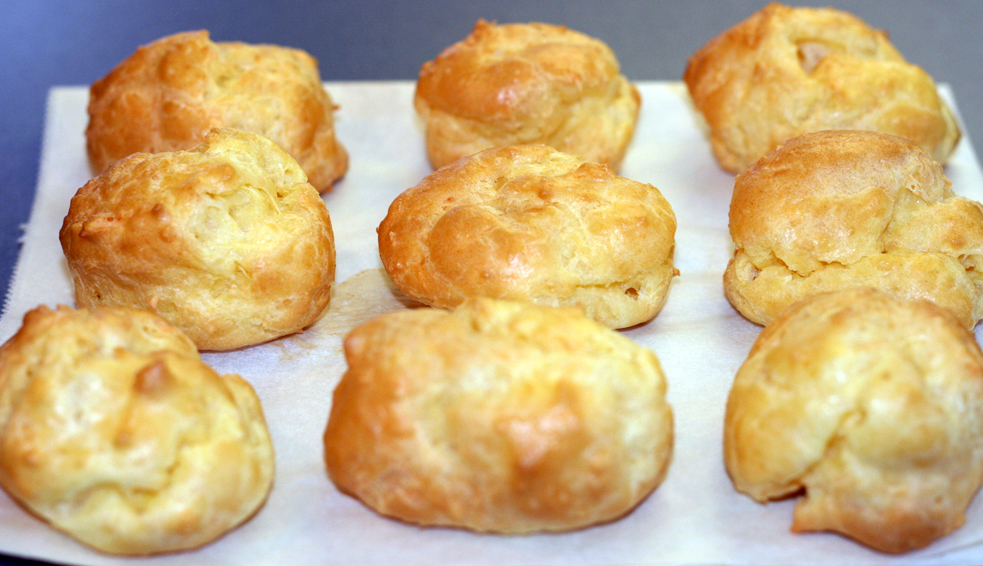
A gougère is a baked savory choux pastry made of choux dough mixed with cheese, usually gruyère or comté but you can use emmenthal or any hard cheese really – even cheddar!


Tarte Tatin is a well known french apple tart. Research shows that it is called after two sisters, Stéphanie and Caroline Tatin who ran a hotel, Hotel Tatin, in Sologne (region about 100km south of Paris).


Rillettes are a meat (usually pork or duck) “paté” type preparation where the meat is cooked slowly in fat and then shredded and mixed with some of the fat to form a spread. Rillettes are delicious served with bread.
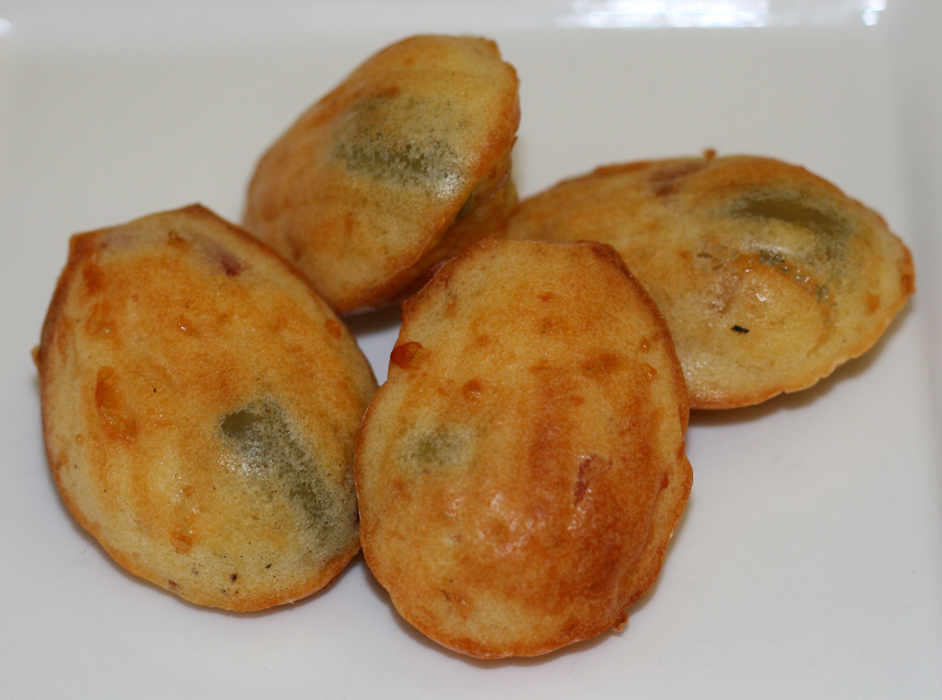

Madeleines are one of France’s favourite small cakes. In this recipe I’ve used a madeleine tin to make savoury bites for an aperitif – perfect size to eat with drinks and a little surprising for guests to see madeleines cakes that are actually savoury!


This is a really tasty soup and with peas, lardons and potatoes it really is a meal in itself. The only little hitch is that it is preferable to pass the soup through a mouli before serving to remove any pea skins and bits of lardon and to make sure you get a nice creamy smooth texture.


Endives are a great winter vegetable and can be eaten raw in salad or cooked, see this previous recipe from myfrenchtable for Endives au Gratin
They are really crunchy but can be slightly bitter so they work well with something sweet such as pears as I have used here but also lovely with avocado for example!


Yet another loaf cake – my most used tin in the kitchen! Pears are in season at the moment, for this recipe just make sure they are nice and soft before using.


This is another traditional french cake that is very popular at goûter time and is a real favourite with french kids.


Financiers are a french pâtisserie made with ground almonds. In 1890 the pâtissier Lasne re-visited an old recipe from the 17th century for a small oval cake called visitandines (called after the religious order of sisters who created the cake), using the same ingredients but changing the shape. As his shop was situated in the financial district in Paris and almost all his clients worked there, he called his cake a “financier” and gave it the shape of a gold bar.